You know preventive tests matter. You know it's better to check something earlier than later. You also know that "someday I'll have to deal with it".
And then a regular week shows up. Work, home, shopping, messages, meetings, family stuff, fatigue. Tests land in the same drawer as "I'll start exercising regularly", "I'll sort out the paperwork" and "this time I really won't forget the car inspection".
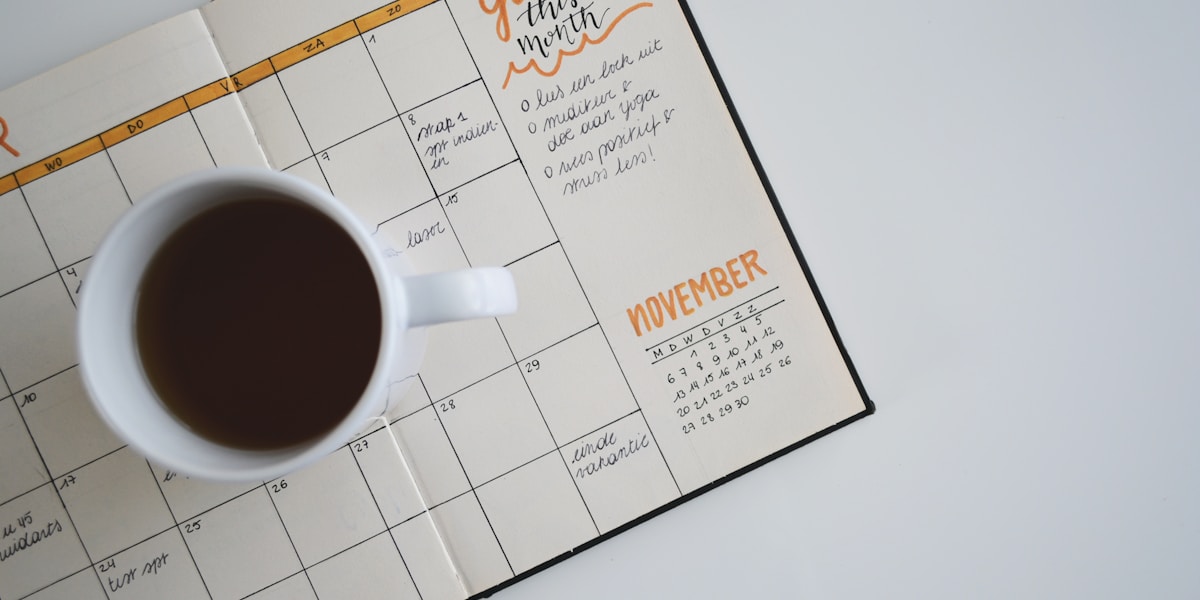
The difference is that the car usually gets a date in the calendar. Health usually only gets good intent.
This article will show you how to plan preventive tests so they don't end up as yet another idea without a date. Simple, concrete, and no fearmongering.
Why is it so hard to start preventive tests?
The biggest problem with prevention isn't that people don't know tests matter. Often, they do.
The problem starts later: which tests to choose, when to do them, how often to come back, where to store results and what to do once results arrive.
With no plan, even good intent quickly loses to daily life. Prevention rarely shouts. It has no urgent deadline. It sends no red alert. It doesn't stand over you like an accountant a week before month-end.
Which is a shame. Accountants clearly know the power of process. That's exactly why the first step isn't "more motivation". The first step is simplifying the decision.
The biggest problem isn't lack of knowledge - it's lack of a plan
"I'll do some tests" sounds simple, until you have to decide what exactly to do. Blood count? Glucose? Lipid panel? TSH? Urine test? Or something tied to family history, lifestyle, sleep, energy or previous results?
The more questions, the easier it is to do nothing. That's normal. When a decision is too broad, the brain looks for a shortcut. Most often it picks "I'll come back to this later".
A good preventive plan should take that weight off you. It's not about having a random list of tests from the internet. It's about a simple answer to four questions:
- Which tests are worth doing now?
- When should you come back to them?
- Why these tests in your specific situation?
- What will you do once you have the results?
That's the difference between knowledge and a process.
Which preventive tests should you start with?
A good starting point should be tailored to you: age, lifestyle, health history, previous results and goals.
In public preventive programs for adults, basic tests often appear: complete blood count, glucose, creatinine with eGFR, lipid panel, TSH and a general urine test. That doesn't mean every person needs exactly the same set at the same moment. It's more an example of a sensible foundation from which to start a conversation about prevention.
Most importantly: tests shouldn't be picked "blindly". The plan should respond to your situation, not copy someone else's checklist. Someone with a sedentary job may need different checks than someone with a strong family history, and yet others for someone who hasn't done any tests in a long time.
So instead of asking "which test package is best?", ask "what prevention plan makes sense for me in the next 12 months?".
How to build a 12-month preventive test plan?
A yearly plan works better than a one-off sprint, because you don't have to start from scratch every few months. You have structure, dates and a clear next step. The simplest model has four stages.
Step 1. Assess your starting point
Before you choose tests, gather basic information about yourself. What's worth including? Age, sex, work style, activity level, sleep, stress, diet, family health history, past results and current goals.
It's not about making a diagnosis. It's about creating context. Without context, tests are a list. With context, they become a plan.
Step 2. Spread the tests over time
Not all tests have to happen in one week. Sometimes it's better to spread actions across the whole year. You can split the plan into three layers:
- baseline tests - to define the starting point,
- follow-up tests - to revisit important parameters,
- situation-dependent tests - based on age, health history or specialist recommendations.
This split reduces chaos. You don't have to ask "what now?" every month. The plan answers for you.
Step 3. Set reminders
Prevention's biggest enemy is memory overloaded by daily life. Your phone reminds you about meetings. Your bank reminds you about payments. The courier reminds you they'll arrive between 10am and the end of the world. Health often has no system of its own.
A good test plan should have reminders. Not to push you. To take the constant remembering off your shoulders.
Step 4. Decide what you'll do after the results
Doing the tests is only half the process. The other half starts when results arrive.
It's worth deciding ahead where you'll save results, who you'll discuss them with and when you'll come back for the next step. If a result is concerning or unclear, it's best to consult a specialist.
Prevention isn't about self-diagnosing based on results. It's about having information and knowing what to do next.
How often should you do preventive tests?
There's no single rhythm that fits everyone.
In Poland, the "Moje Zdrowie" program assumes a cyclical adult health check-up: every 5 years for people aged 20–49 and every 3 years for those 50 and older. It's a good example of systemic thinking: a survey, tests, results discussion and an individual health plan.
But that doesn't mean nothing more is worth doing in between. Test frequency depends on your situation, previous results, lifestyle and specialist advice. For one person a yearly review of basic parameters makes sense. For another - more frequent monitoring of selected areas.
One thing matters most: regularity works better than a one-off sprint.
What usually breaks regularity?
Usually not laziness. More often three things: information chaos, lack of reminders and lack of a clear next step.
Information chaos shows up when you have too many sources and too few decisions. One article says one thing, another says another, someone recommends a package, someone else a supplement - and you grow less and less sure.
Lack of reminders makes the topic vanish. Not because it isn't important. Because other things have their dates.
No next step blocks action after results. A result without context is just a number. Only discussion and a plan for further action give it meaning.
That's why effective prevention needs more than knowledge. It needs guidance.
How does Dr Kiwi help turn a plan into action?
Dr Kiwi doesn't replace a doctor and doesn't make diagnoses. Its role is practical: to help organize prevention and watch over the plan's execution.
At Keep It Healthy, lifestyle medicine experts prepare an individual 12-month plan of tests and supplementation. Technology supports how you manage health: reminders, rhythm, plan clarity and returning to next steps.
That's an important distinction. Experts recommend. Technology helps you act.
So you don't have to start each time with "what am I actually supposed to do?". You see the plan. You get a reminder. You take the next step.
Summary: a good plan doesn't start with motivation
Motivation is great. The problem is, it tends to be seasonal. A plan is more stable.
If you want to take care of prevention, don't start with a great revolution. Start with a simple system:
- learn your starting point,
- decide on tests for the coming months,
- put them in the calendar,
- set reminders,
- plan what you'll do after the results.
That's enough to move from "I know it's worth it" to "I have a next step". And that's a lot.
Frequently asked questions
Turn knowledge into a plan tailored for you
A short health quiz helps us understand your situation, and lifestyle medicine experts will prepare a 12-month plan of tests and supplementation.


