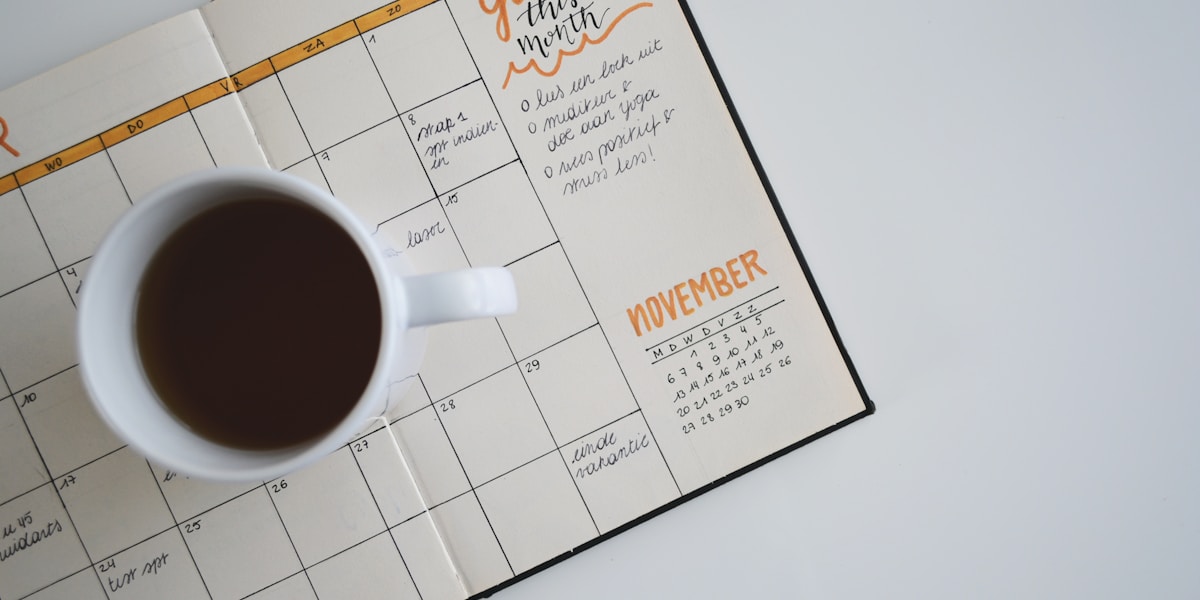
You know it's worth doing tests. You know it's better to check something earlier than later. You also know that "someday I'll get around to it".
And then Monday comes. Work. Home. Shopping. The kid has a runny nose. There are more emails than oxygen in the room. And the tests? They quietly slip into the "I'll do it when things calm down" folder.
The problem is, "calmer" rarely puts itself on the calendar.
It doesn't mean you lack common sense. More often you lack a system that turns good intent into concrete action. That's exactly what this article is about.
The biggest myth: "people skip tests because they don't know"
Sometimes, yes. Lack of knowledge is still a problem. But in many cases the real mechanism is more frustrating: people know prevention matters, they just can't translate that knowledge into action.
It's the difference between "I know it's worth doing a blood count" and "I know when to do it, where to book, what else to check, how to prepare and who will remind me of the date".
The first is intent. The second is a process. That's where the real game begins.
Why do we postpone preventive tests?
Usually not because we ignore our health. More often because prevention loses to daily life. It doesn't shout. It has no deadline. It sends no red-alert notification. It doesn't stand over you like an accountant at month-end.
Which is a shame, because accountants clearly know better execution techniques than most healthcare systems.
No instant reward
Prevention is logical, but it has one weak spot: its effect is rarely immediate. When you order food, you get lunch. When you reply to an email, you close a topic. When you do preventive tests, you usually get peace of mind. Very valuable, but less spectacular than pizza in 30 minutes.
The brain loves quick rewards. So it's easier to choose something that brings instant relief. A test that's "worth doing" but not urgent loses easily.
What helps? Small, visible steps. Instead of "take care of your health", a concrete commitment: "this week I'm booking a blood count and a lipid panel". One action. One date. One thing to check off.
Health is important, but rarely "urgent"
It's a paradox. Health is one of the most important things in life, yet it often has no place on the calendar. The 10am meeting beats the test. The deadline beats the test. School pickup, invoices, shopping and a broken washing machine all win.
That's why a resolution alone isn't enough. The better question isn't "Do you want to take care of your health?", it's "When exactly will you take the first step?".
We don't know where to start
"I'll do some tests" sounds simple. Until you have to decide which tests, when, where and why. Blood count? Glucose? Lipid panel? TSH? Ferritin? Vitamin D? Or something tied to age, lifestyle, family history or symptoms?
This is where many people drop off. Not from laziness. From decision overload. The more options, the more likely you'll choose none. That's normal. So prevention shouldn't start with chaos - it should start with a plan.
A good test plan should answer four questions:
1. Which tests are worth considering? 2. When should they be done? 3. Why these specifically? 4. What to do after getting the results?
Not to replace a doctor. To organize the first step and know what to do next.
We're afraid of the result, so we delay checking
A delicate but very real topic. Sometimes we postpone tests not because "we have no time". We postpone them because the result might change something. It might require a consultation. It might disturb our peace.
And then the brain picks short-term relief: "I don't know, so for now I'm not worried". But missing information rarely brings real peace. More often it just suspends the issue.
Prevention is about something different: calmer health management. No panic. No self-diagnosing online at 11:47pm. If a result is concerning, it's worth consulting a specialist. If it's good, you gain a baseline for the future.
We lack a reminder system
The biggest problem in prevention isn't always knowledge. It's often execution. You know a test should be done every so often. But who's supposed to remember when that "every so often" is up?
Your phone reminds you about meetings. Your bank reminds you about payments. The courier reminds you they'll arrive between 11am and the end of the world. And your health? Your health often has no operating system.
Prevention needs reminders that are simple, human and matched to your daily rhythm. Not the kind that shame you. The kind that help you get back on track.
Knowledge isn't enough - you need a plan and a rhythm
The most common mistake in caring for your health is treating it like a one-off project. "I'll do a test package and I'll have peace." But health doesn't work like a car inspection. It's more like a relationship with your own body.
So a more effective model looks like this:
1. First, you understand your needs. 2. Then you build a plan of tests and actions. 3. Then you execute it step by step. 4. Then you update the plan based on results, lifestyle and goals.
Less flashy than "transform in 7 days", but with a much higher chance of working in real life.
How to start without getting stuck after three days
Low-key works best. Don't start with a perfect life transformation. Start with the next sensible step:
- Pick one day in the calendar.
- Book one test or test package.
- Set one reminder.
- After results, write down one thing to consult or observe.
- Don't drop the topic from your head - schedule the next checkpoint.
That's enough to switch from "I know it's worth it" mode to "I'm taking the first step" mode. And the first step matters, because it builds something more important than one-off motivation: a sense of agency.
Where does Dr Kiwi help in all this?
Dr Kiwi isn't here to replace your doctor or make decisions for a specialist. Its role is different: to help you move from chaos to a simple process.
At Keep It Healthy, lifestyle medicine experts prepare an individual 12-month plan of tests and supplementation. Dr Kiwi helps you carry it out: it reminds, organizes steps, motivates and makes sure prevention doesn't disappear under the pile of daily tasks.
Technology supports how you manage health. Experts are responsible for recommendations. That's an important distinction. Because the goal isn't yet another app that looks nice for two days. The goal is a system that actually helps you get back to action.
Prevention doesn't have to be another obligation
Good prevention shouldn't add chaos. It should remove it. It's not about living in constant health-monitoring mode. It's about giving the most important things their place, their date and a simple action path.
Because when you have a plan, you don't have to start from scratch every time. You don't ask "what am I actually supposed to do?" - you ask "what's my next step?". A small difference in a sentence. A big difference in life.
Summary
We postpone tests not only due to lack of knowledge. More often because of lack of time, lack of a concrete plan, decision overload, fear of the result and no reminder system. That's why effective prevention doesn't start with a motivational slogan. It starts with organizing the process.
First the plan. Then the reminders. Then execution. Then updates. Sounds simple? Good. That's exactly what prevention should be.
Want to start without guessing? Take a short health quiz and see what your 12-month plan of tests and supplementation prepared by lifestyle medicine experts could look like. About 3 minutes, no pressure - Dr Kiwi will keep an eye on the next step. 🥝
Turn knowledge into a plan tailored for you
A short health quiz helps us understand your situation, and lifestyle medicine experts will prepare a 12-month plan of tests and supplementation.